
Life in the Son
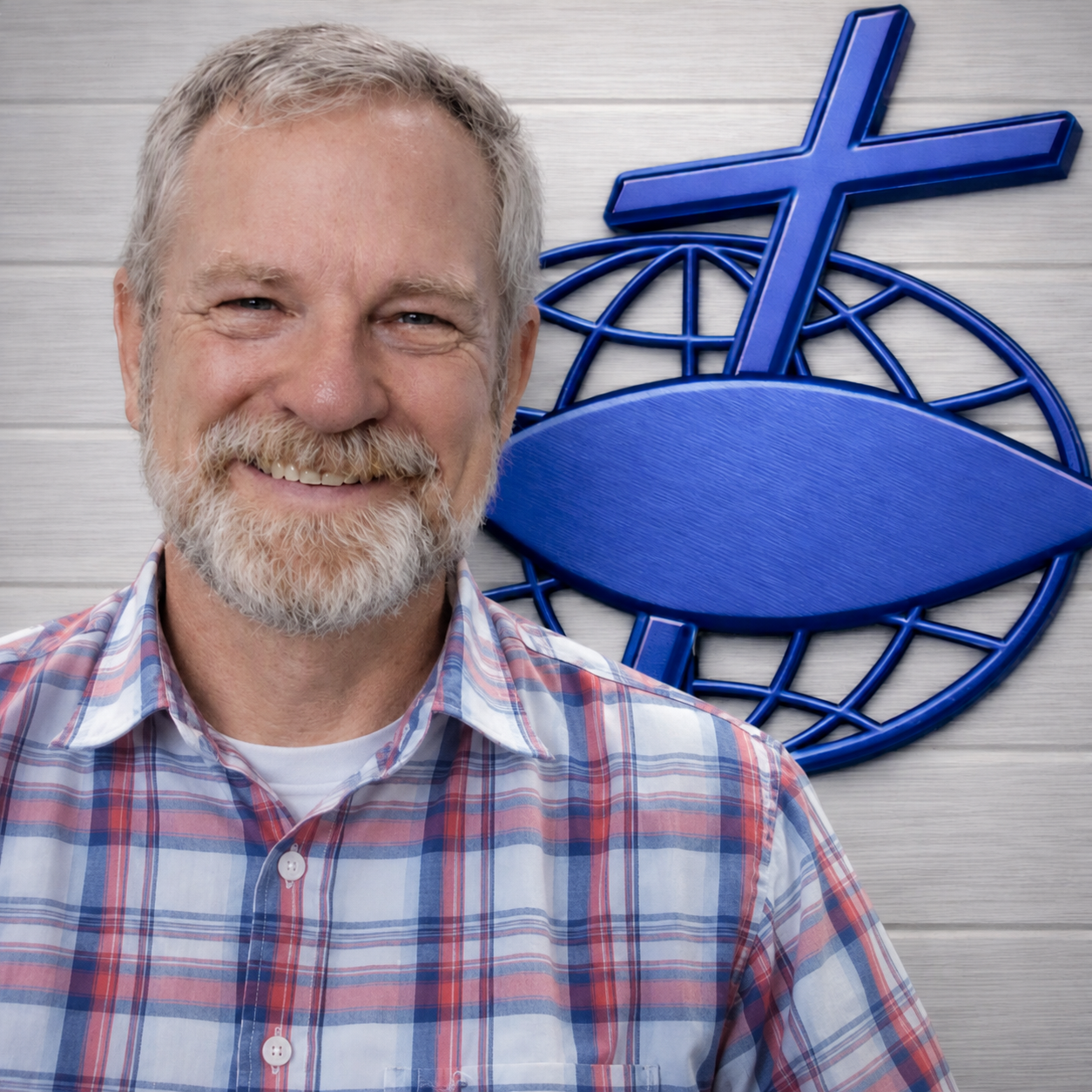
Rev. Jefferson Vann, M.Div., Th. M.
Jefferson Vann shares an excerpt from his latest book.
My latest book, 1 John to Jude: A resource, is now available as an e-book from Amazon. Publishing the paperback version will have to wait a week because I have reached the title limit.
The book contains my revised translation of 1-3 John and Jude. It also contains several articles, a sermon, a Scriptural index, and a bibliography. Here is one of the articles.
Life in the Son
March 8, 2021
In “Life in the Son,” Jefferson Vann traces the connected themes of the resurrection and the Son of God in John’s Gospel and epistles (1:14; 3:16-17, 36; 5:21, 25; 6:27, 53; 20:31; 1 John 5:11-13,20)
John 1:14 The Word became flesh and lodged among us. We took notice of how bright he shone, the brightness that the one and only Son from the Father can show, full of grace and truth.
I have already suggested that the Word who was with God and was God (John 1:1) was a prophetic word of promise, and that promise was of a future resurrection. He was the Word of life (1 John 1:1-2).
Today I want to look at those statements by John that link the concepts of life and the Son of God.
John 3:16-17: Because God cared about the world in this way: He gave his one and only Son, so that everyone faithful to him will not be destroyed but have permanent life. Because God did not send his Son into the world to condemn the world, but to save the world through him.
The gift of the Son makes a permanent life possible. In fact, the Son could have come for another purpose. It would have been perfectly appropriate for God to send his Son to the world to condemn it to the destruction it deserves. Instead, he chose to send his Son to save the world. The Greek word for “save” is σῴζω – which is related to the word for life (ζωή). Life is only possible if we are saved from destruction.
But the problem is that Jesus does not keep any of us from dying. We “are being put to death all day long; We were considered as sheep to be slaughtered” (Romans 8:36; Psalm 44:22). Each of us is born into a temporary life, and Jesus does not automatically make that life permanent. Instead, the life he offers is a permanent life which we will begin at the resurrection. That is why Jesus explains that his promise to give us a permanent life will be fulfilled when he raises us “on the last day” (John 6:39, 40, 44, 54).
So, the life in the Son is resurrection life.
John 3:36 The one trusting in the Son has permanent life, but the one resisting the Son will not see life; instead, the wrath of God stays over him.
Anyone who resists the invitation to believe in and trust the Son will not have this resurrection life. That unbeliever will have been born with God’s wrath over him, and it will stay over him. The Son is the one who makes the difference. The difference that he makes is the resurrection.
John 5:21 And just as the Father raises the dead and is making them alive, so the Son also makes alive those he wants to.
John mentions many similarities between the Father and the Son, but here he emphasizes the fact that both prove their power by raising the dead. During his earthly ministry, Jesus raised some people from the dead as a demonstration of who he was.
John 5:25 "I am honestly telling you, an hour is coming, and is now here, when the dead will hear the voice of the Son of God, and the ones hearing will live.
Jesus’ hour for raising the dead had already come for the select few that he raised to demonstrate who he was. But the hour of his wholesale resurrection was still coming. That hour would correspond to the last day. Both the present hour and the coming hour had this in common – the Son would be raising the dead.
Was Jesus referring to a “spiritual” resurrection here? Maybe not. It is true that he had mentioned those who hear his word and believe as already having permanent life (verse 24), but then he goes on to explain what that entails: the believer “will not go into judgment but has departed from the death to the life.” So, having permanent life as a believer does not change anyone’s status as a mortal. It changes her status as destined to die twice.
John 5:28-29 Do not be surprised about this, because an hour is coming when all the ones in the tombs will hear his voice and go out – those who have done good things, to the resurrection of life, but those who have done worthless things, to the resurrection of condemnation.
The Son gives life, but that life does not keep anyone from their date with the tomb. It merely makes that date a temporary one. The sequence Jesus lays out is this:
Be born (under God’s wrath)
Live
Hear his word
Believe his word, and trust the Son
Have permanent life (as a promise)
Die
Hear his voice
Come out of the tomb (the resurrection of life – promise fulfilled).
Believing in the Son’s word is not the same thing as hearing his voice. On resurrection day, everyone in their tombs will hear his voice. Everyone will come out of the tomb. But some will come out for judgment and condemnation – destruction, the second death.
John 6:27 Don't work for the consumable that perishes but for the consumable that lasts for permanent life, which the Son of Man will give you, because God the Father has set his seal of approval on him."
Our work in this life is a demonstration of our ultimate objective. Some will waste their lives working merely for the consumable that perishes. But it is possible to spend our lives pursuing permanent life. The Son is the giver of that gift.
John 6:53 That is why Jesus said to them, "I honestly tell you, unless you eat the flesh of the Son of Man and drink his blood, you do not have life in yourselves.
Christ is the consumable that lasts. He is the living bread that came down from the sky. When he encourages us to eat his flesh and drink his blood, it is because without him we cannot live forever. This, of course, goes against the common religious notion of innate human immortality. Perhaps this is why Jesus had to resort to such an uncomfortable illustration. His point was that we do not have life in ourselves. No one is born immortal. We need the sacrifice of the Son’s flesh and blood for that.
John 20:31 But these are written so that you may trust that Jesus is the Messiah, the Son of God, and that by trusting you may have life in his name.
Again, the life John is talking about here is not some spiritual thing. It is the promise of a physical resurrection. The Life the Son promises requires a resurrection of life.
1 John 5:11-13 And this is the testimony: God has given us permanent life, and this life is in his Son. The one who has the Son has life. The one who does not have the Son of God does not have life. I have written these things to you who believe in the name of the Son of God so that you may know that you have permanent life.
The ultimate haves and have-nots are described here. Everyone has a temporary life, but not everyone will have a permanent life. That blessing awaits only those who have the Son. The life John describes both in his Gospel and this epistle is conditional. It is a permanent life, but there are many who do not have this life. They lack a relationship with the Son, which makes that life possible.
1 John 5:20 And we know that the Son of God has come and has given us understanding so that we may know the true one. We are in the true one – that is, in his Son Jesus Christ. He is the true God and permanent life.
We have heard the word of life from the Son, and that word has given us understanding. Trusting in the true one, we can now face our present mortal lives with confidence because the Son has given us access to a permanent life to come.