
His Return and Ours
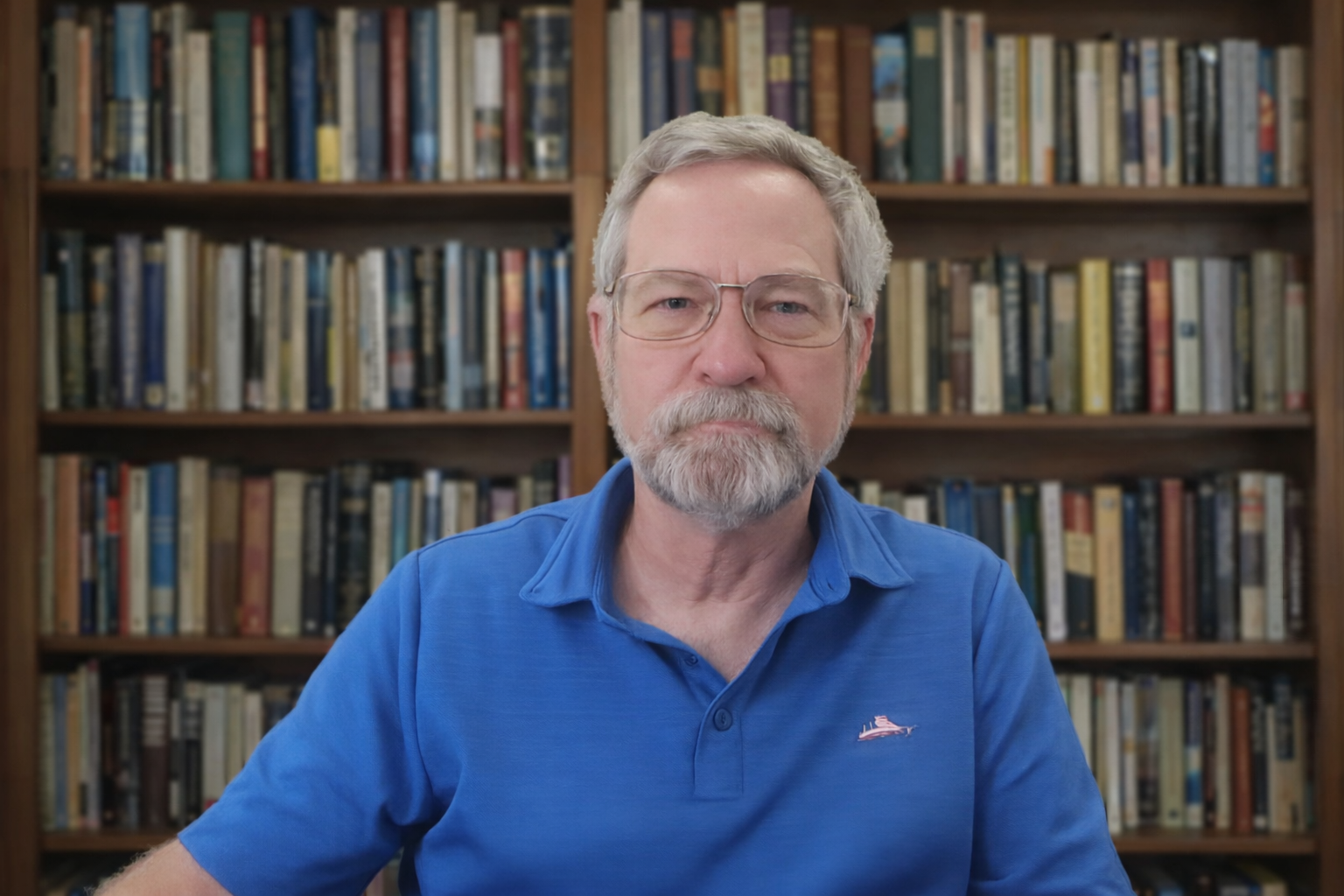
Rev. Jefferson Vann. M. Div., Th. M.
Here is my current translation of 2 Timothy 4:6-8, with commentary.
His return and ours
2 Timothy 4:6-8 (JDV)
2 Timothy 4:6 You see, I am already being poured out as a drink offering, and the season for my return is close.
2 Timothy 4:7 I have fought the good fight, I have finished the race, I have kept the faith.
2 Timothy 4:8 The crown of righteousness is reserved for me, which the Lord, the righteous Judge, will give me on that day, and not only to me, but to all those who have cared about his appearing.
His return and ours
Paul’s language in this passage is far more precise—and far more hopeful—than many English translations allow. The key term, ἀνάλυσις, is often rendered “departure,” which easily feeds the popular assumption that Paul expected to go somewhere at death, as though death itself were the gateway to conscious fellowship with Christ. But that translation is not required by the Greek, and in this context it obscures Paul’s actual hope.
ἀνάλυσις literally means loosing, untying, releasing, and in several contexts it carries the sense of returning, especially returning home. Its verb form, ἀναλύω, is used unmistakably this way in Luke 12:36, where servants wait for their master “to come back from the wedding celebration.” The imagery is not of leaving but of returning.
This matters because Paul’s theology of hope is consistent across his letters. He never locates the believer’s reward at the moment of death. He locates it at Christ’s return, the moment when the dead are raised and the living are transformed. That is when the crown of righteousness is awarded. That is when the righteous Judge appears. That is when life begins again.
Thus, when Paul says the time of his ἀνάλυσις has come, he is not expressing a desire to depart life but acknowledging that his death is near—and that his return to life is also near, because Christ’s appearing is the next conscious moment for the believer who dies.
The same logic governs Philippians 1:23. The verb ἀναλῦσαι is commonly translated “depart,” but Paul is not longing for death. He is longing for resurrection—longing for the moment when Christ returns and he is restored to life and fellowship with Him. Paul’s dilemma in Philippians is not between living and dying; it is between continuing fruitful ministry now and receiving resurrection life later. Death itself is not gain; resurrection is.
This fits perfectly with the broader biblical witness. When believers die, they enter the intermediate state, a state Scripture consistently describes as sleep—unconscious, inactive, awaiting the call of God. The next conscious moment is the voice of Christ and the rising of the dead. His return is our return. His appearing is our awakening. His coming—not our dying—is the blessed hope (Titus 2:13).
Paul’s language, rightly understood, reinforces the same truth he teaches everywhere: the Christian hope is resurrection, not disembodied survival.
LORD, thank you for the blessed hope of your return, and ours.